
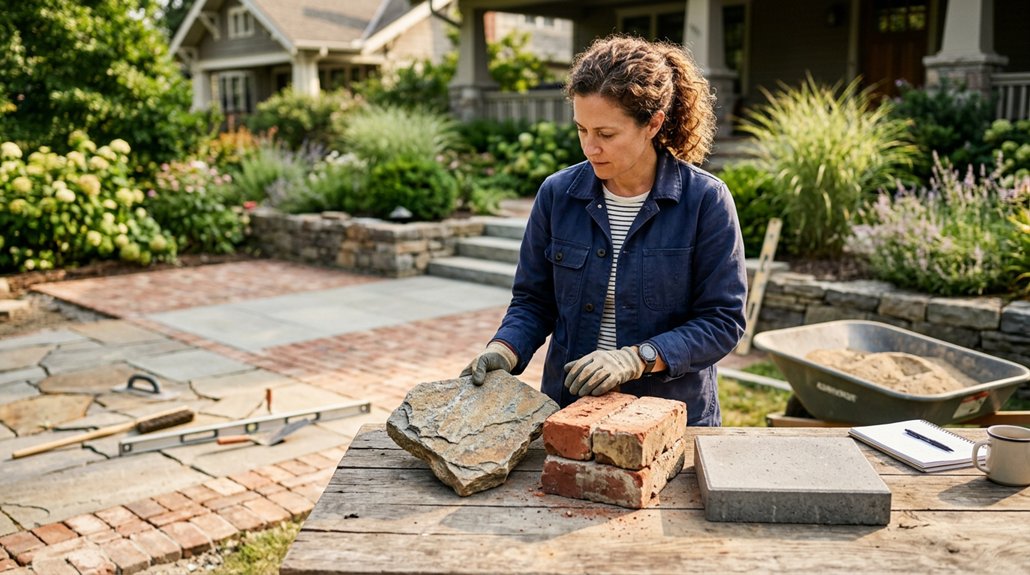
Patio material matters because it determines how your outdoor space performs, looks, and fits your budget. Choose stone for natural variation, brick for warm color and replaceable pavers, or concrete for lower installation costs and flexible designs. Match your choice to climate, foot traffic, drainage, slip resistance, and maintenance needs. In freeze-thaw regions, favor frost-resistant products; in hot climates, consider lighter, textured surfaces. Account for site preparation and long-term upkeep, and compare each material’s trade-offs before you build.
How to Choose a Patio Material
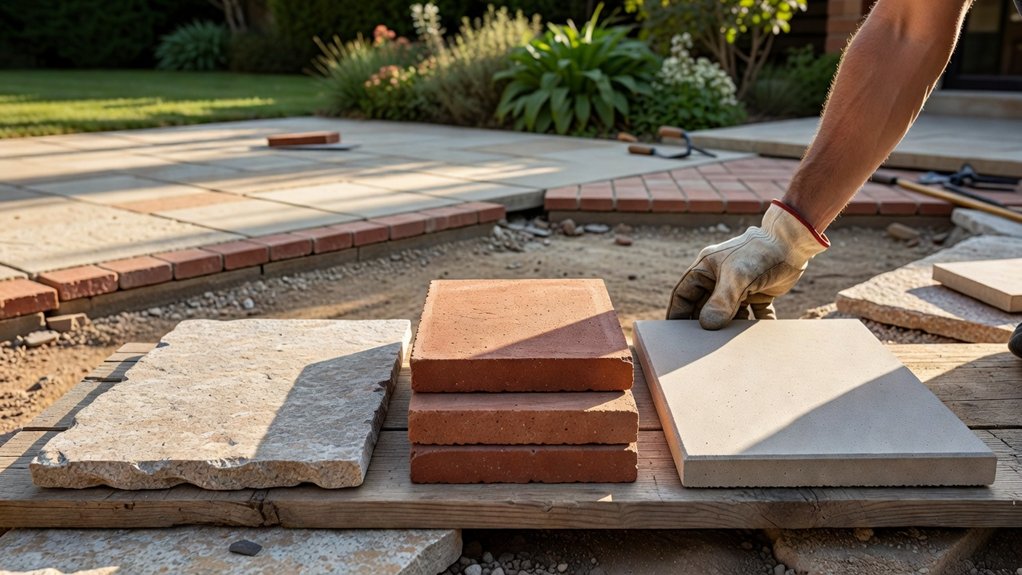
The right patio material depends on how you’ll use the space, your budget, and the conditions it must withstand. Start by defining the patio’s primary function: dining, entertaining, or quiet outdoor use. Then assess load requirements, drainage, slip resistance, and maintenance needs. These factors determine whether stone, brick, or concrete will perform reliably and suit your routines.
Consider landscape integration, too. Match the material’s color, texture, and scale to your home’s architecture, planting, and paths. Check how installation will affect grading, runoff, and nearby roots. To limit environmental impact, favor durable products, local sourcing, and permeable layouts where site conditions allow.
Ask your contractor to explain base preparation, jointing, and edge restraint; these details affect stability and service life. Choose a material that meets functional requirements and creates a coherent, maintainable outdoor space.
Compare Patio Materials by Climate and Budget
Climate and budget can narrow your patio choices quickly: freeze-thaw cycles may crack porous stone or poorly cured concrete, while heat can make dark surfaces uncomfortable underfoot. Seasonal weather should guide your material and installation choices.
In cold regions, select frost-resistant stone, dense pavers, or air-entrained concrete, and guarantee the base drains well. Where temperatures soar, consider lighter colors and textured finishes for cooler, safer footing.
Compare installed costs, not just material prices. Concrete typically offers the lowest upfront cost; brick and stone may require higher initial spending, depending on sourcing and labor.
Your budget should also account for site preparation, edge restraints, drainage, and repairs. A long-term investment depends on matching the material to local conditions and expected use.
Ask contractors for climate-specific specifications and maintenance estimates before you commit.
Stone Patios: Beauty, Cost, and Maintenance
When you want a patio with natural variation, stone offers distinctive color, texture, and pattern, but its cost depends on the stone type, thickness, availability, and installation labor. Natural textures and color options vary by quarry, so inspect samples in daylight before choosing.
Flagstone, slate, and granite differ in hardness, porosity, and slip resistance; match these properties to your climate and expected use. Irregular pieces require more fitting and skilled labor than uniform-cut slabs, while a compacted, well-drained base helps prevent shifting.
Ask your contractor to specify stone thickness, joint material, and edge restraint in the estimate. For maintenance, sweep regularly, remove organic debris, and rinse spills promptly.
You may need periodic sealing, especially on porous stone, but confirm compatibility first; unsuitable sealers can alter appearance or reduce traction.
Brick Patios: Style, Durability, and Upkeep
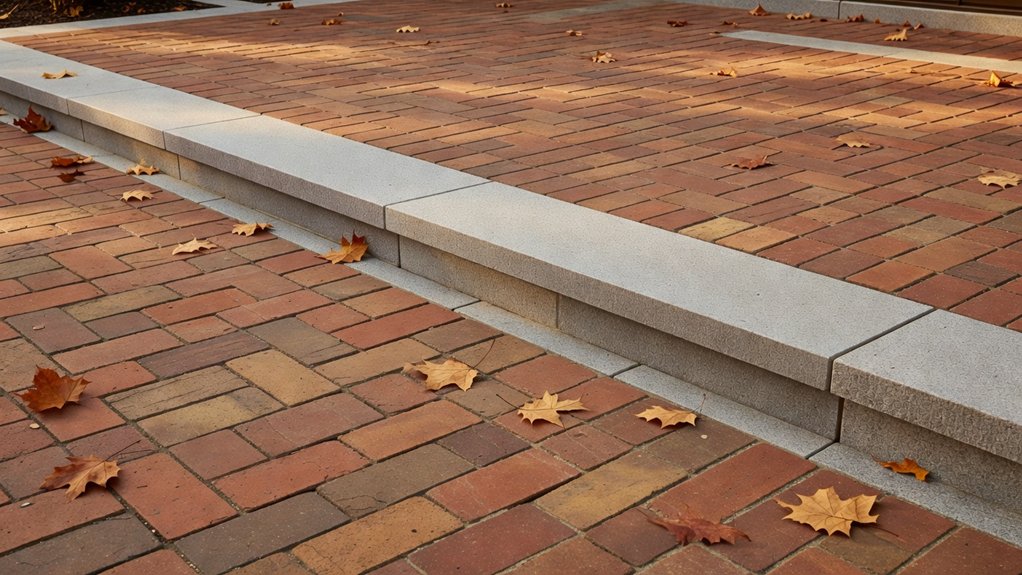
Brick patios bring warm color and orderly patterns to outdoor spaces, with clay pavers available in a range of hues, shapes, and laying designs. Color options include reds, browns, and muted tones; choose pavers with consistent firing for a more uniform appearance.
Pattern choices, such as running bond, herringbone, and basket weave, affect both visual character and installation complexity. Herringbone can resist shifting under foot traffic when properly installed.
A compacted, well-drained base and edge restraints help keep your patio level and limit movement. Brick handles regular use, but individual pavers can crack or loosen; you can replace damaged units without rebuilding the entire surface.
Sweep debris routinely, remove weeds from joints, and replenish joint sand as needed. Sealers may reduce staining, though they require periodic reapplication. Check pavers seasonally for uneven areas.
Concrete Patios: Cost, Design, and Durability
Concrete patios often cost less to install than stone or brick, especially when you choose a standard poured slab. Your final price depends on site preparation, slab thickness, reinforcement, drainage, and local labor rates. A contractor should compact the base and place control joints to limit cracking as the concrete cures and shifts.
You can customize the surface with color, exposed aggregate, stamped patterns, or other finishing techniques that mimic more expensive materials. These details add labor and may require periodic resealing.
For eco-friendly options, consider concrete mixes with recycled content or locally sourced aggregates, and ask how they affect strength and curing.
Concrete resists rot, insects, and heavy use, but it can crack, stain, or fade. Seal the surface as recommended, clean spills promptly, and repair small cracks before water causes further damage.
Leave a Reply