


You can make your home more appealing to buyers with simple, affordable updates. Clear counters and shelves, organize storage, and clean glass, floors, and light fixtures to make rooms feel brighter and more spacious. Fix small issues such as dripping faucets, loose handles, and burned-out bulbs before listing. Refresh neutral paint and visible fixtures, then stage key rooms with open pathways and balanced lighting. Tidy the entry and landscaping, too. These practical steps can help you prepare for a stronger first impression.
Declutter and Clean to Make Rooms Feel Bigger
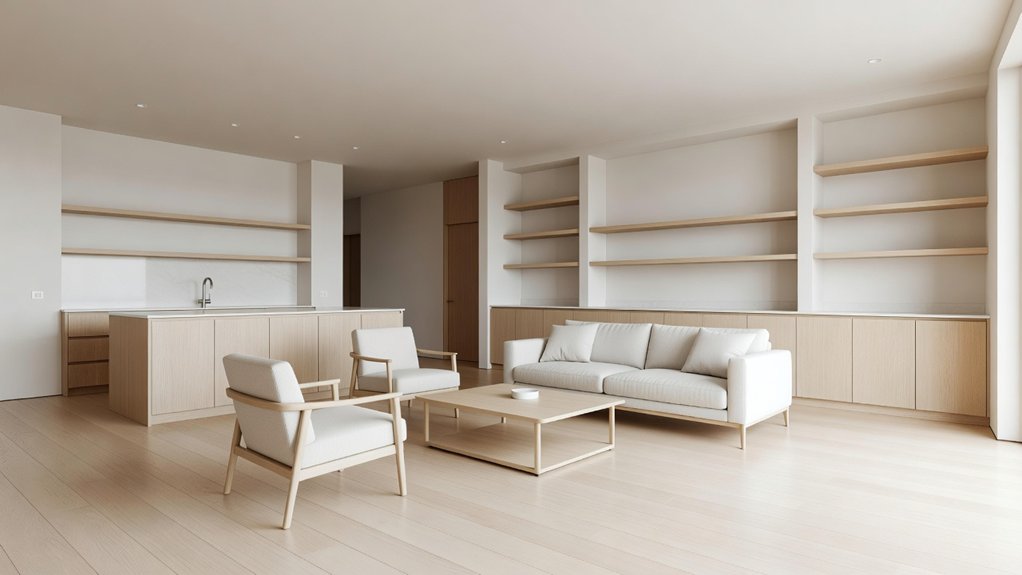
A clean, uncluttered home feels more spacious and lets buyers focus on its best features. Before listing, clear countertops, windowsills, and open shelves so rooms look calm and useful. Pack away personal photos, collections, and seasonal items; buyers need space to imagine their own belongings.
Sort closets and cabinets, too, since visitors may open them. Use storage solutions such as labeled bins or baskets to keep everyday essentials out of sight without making storage areas look crowded.
Clean mirrors, glass, floors, and light fixtures to brighten each room and emphasize its dimensions.
Review your furniture arrangement: remove extra pieces, keep walkways open, and position seating to highlight natural light or a focal point. You’ll create a tidy, welcoming impression while helping buyers picture how they could live in the home.
Fix Small Problems Before Listing Your Home
Before listing, fix minor issues that could make buyers question how well you’ve maintained the home. Tighten loose doorknobs, repair sticking doors, replace burned-out bulbs, and secure wobbly handrails. Check faucets for drips, clear slow drains, and test every window and lock. These small repairs help your home feel cared for and reduce distractions during showings.
Walk through each room as if you were conducting a home inspection. Note cracked outlet covers, missing cabinet pulls, squeaky hinges, and damaged screens. Address safety concerns first, then handle inexpensive fixes you can complete quickly.
If a problem needs a professional, get an estimate before deciding whether to repair it.
Document completed work and keep receipts. Buyers may notice fewer concerns, while your agent can use the improvements to support your pricing strategy and answer questions confidently.
Refresh Paint and Fixtures on a Budget
Fresh paint and updated fixtures can make a home feel brighter without a major renovation. Choose a consistent, neutral palette that helps buyers focus on the rooms’ size and natural light. Color psychology matters: soft whites and warm grays can feel calm and versatile, while bold shades may distract or make spaces seem smaller.
Test paint samples on different walls, then check them in morning and evening light before buying gallons.
You don’t need to replace every dated detail. Focus fixture upgrades on high-visibility items, such as cabinet pulls, faucets, light switches, and ceiling lights. Match finishes for a coordinated look, and measure existing hardware before shopping to avoid extra holes or repairs.
Compare prices, and handle simple installations yourself if you’re comfortable; hire a professional for electrical or plumbing work. Keep receipts and save leftover paint for touch-ups.
Stage Key Rooms for a Stronger First Impression

When buyers walk in, thoughtful staging helps them picture how each room can work for daily life. Start with the living room, kitchen, and primary bedroom, where clear purpose matters most. Remove extra items from counters, shelves, and tabletops so buyers can focus on the space, not your belongings.
Use furniture arrangement to create easy pathways and define conversation or dining areas; pull pieces away from walls when it improves flow. In bedrooms, make the bed neatly and keep nightstands simple.
Add lighting enhancement by opening curtains, cleaning fixtures, and turning on lamps before showings. Aim for balanced light without harsh glare.
Keep colors and accessories restrained, and leave enough open floor space to make rooms feel usable. A tidy, well-planned layout helps buyers assess proportions and imagine their routines.
Boost Curb Appeal With Low-Cost Updates
A buyer’s first impression often starts at the curb, so focus on small, visible fixes. Sweep the walkway, wash the front door, and clear away leaves, weeds, and clutter. A fresh coat of paint on the door or trim can make the entrance look cared for without a major expense. Replace a worn doormat and polish or update house numbers so visitors can find your home easily.
Keep garden landscaping neat by trimming shrubs, edging beds, and adding a few seasonal plants near the entry. Choose low-maintenance varieties that won’t require constant attention.
Check outdoor lighting, too: clean fixtures, replace burned-out bulbs, and make sure paths and steps are well lit. These simple updates help your home look welcoming in listing photos and during showings, while signaling that you’ve maintained it thoughtfully.
Leave a Reply