
Reduce downtime on high-value plant machinery by ranking assets according to safety, production, quality, and repair costs, then matching each with suitable maintenance intervals and strategies. Inspect critical equipment for wear, damage, leaks, and overheating, and use calibrated sensors to spot developing faults early. Prioritize repairs by risk and downtime impact; follow isolation procedures and coordinate planned work with production. Track costs, failures, and availability to improve reliability. The sections below explain how to put these practices into action safely.
Build a Plant Machinery Maintenance Plan

Start your plant machinery maintenance plan with a criticality assessment: rank each asset by its effect on worker safety, production, product quality, and repair cost.
Use those rankings to set service priorities, maintenance intervals, and response times.
Match each machine with an appropriate strategy, such as preventive maintenance for predictable wear or condition-based maintenance when monitored data can guide intervention.
Assign clear ownership, approved procedures, required parts, and escalation steps so your team knows what to do and when.
Budget for labor, spares, downtime, and Technology upgrades; compare lifecycle costs before replacing or modernizing equipment.
Schedule staff training on procedures, controls, and emergency shutdowns, and verify competency before authorizing work.
Review performance indicators, work-order history, and changing production demands regularly, then revise the plan to control risk and cost.
Inspect Critical Machinery for Wear and Damage
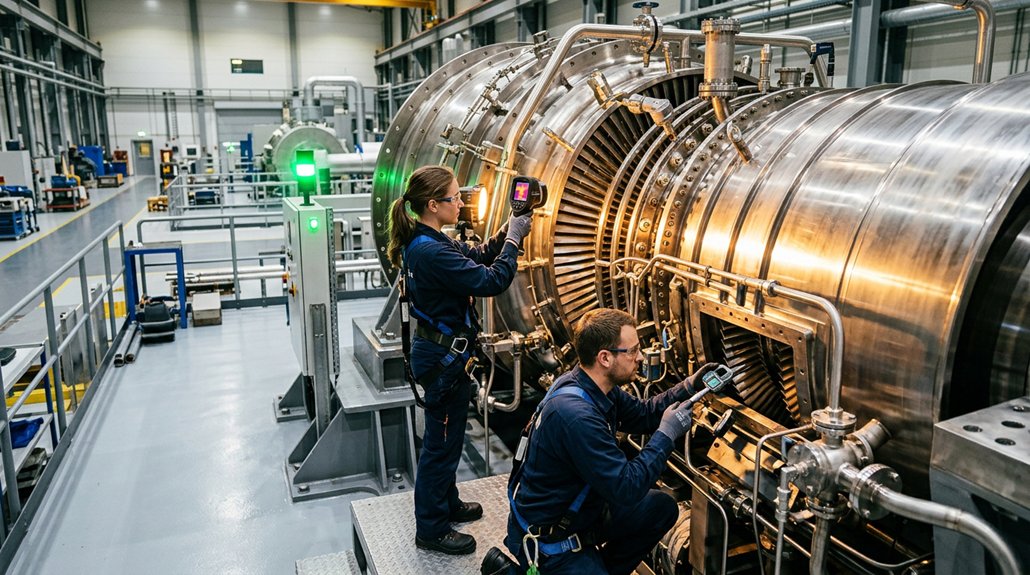
Inspect critical machinery at defined intervals and after abnormal events, using approved procedures and isolation steps before hands-on checks. Look for cracks, corrosion, leaks, loose fasteners, damaged guards, and signs of overheating.
Check shafts, couplings, seals, belts, and bearings against manufacturer limits; document defects with location, measurements, and photographs.
Use Vibration analysis to assess suspected bearing or alignment damage, but don’t treat readings as a substitute for safe visual and tactile inspection.
Review Lubrication management records, then verify lubricant condition and quantity using specified methods.
Replace or repair components when evidence and risk justify action, and confirm parts meet required tolerances.
Prioritize defects by safety impact, failure consequence, and repair cost.
Record findings, assign responsibility, and verify corrective work before returning equipment to service.
Keep inspection records accessible for future maintenance decisions.
Monitor Machinery to Catch Wear Early
Inspection records show where damage exists; condition monitoring helps you detect change before it becomes a failure. Install vibration, temperature, pressure, and lubricant sensors at points suited to each machine’s failure modes. Keep sensor calibration current, and verify readings against reliable references so drift doesn’t trigger false alarms or hide developing faults.
Set operating baselines under known loads, then track deviations over time rather than reacting to isolated fluctuations. Predictive analytics can combine sensor trends with operating conditions to estimate wear and flag abnormal patterns early.
Review alerts with qualified staff, confirm findings using safe inspection procedures, and document results. Protect monitoring equipment from heat, dust, and impact, and secure cables away from moving parts.
Focus monitoring on assets whose failure could threaten personnel, production, or costly components. This approach supports informed maintenance planning and limits avoidable monitoring expense.
Prioritize Repairs to Reduce Downtime
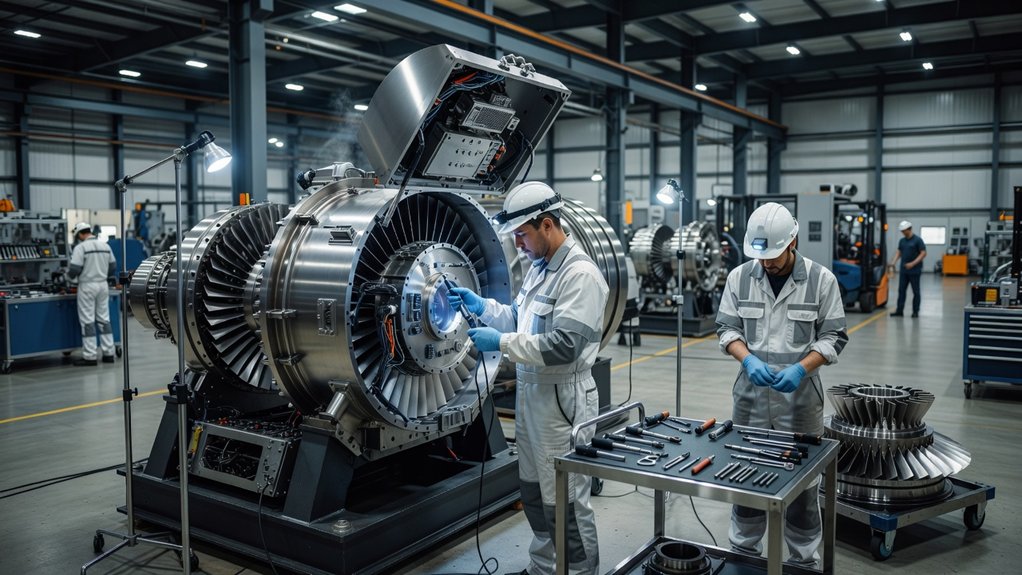
When monitoring or inspections reveal a fault, rank repairs by safety risk, failure likelihood, and the consequences of downtime. Address hazards and defects that could cause injury, environmental release, or sudden equipment failure first.
Then weigh production impact against repair cost: a failing critical asset may justify immediate work, while a contained defect on redundant equipment can wait for a planned shutdown.
Set clear thresholds for escalation, and assign qualified technicians, permits, and isolation procedures before work begins. Don’t keep operating machinery beyond approved limits just to protect output; use a safe alternative or stop the process.
Emergency preparedness helps you respond if a fault worsens, while Spare parts management ensures critical components are available without tying up excessive capital.
Coordinate repair timing with production teams to limit lost capacity and avoid rushed, unsafe work. Make the priority explicit to everyone involved.
Track Maintenance Results and Equipment Reliability
To confirm your maintenance strategy is working, track repair costs, downtime, repeat failures, and equipment availability over time. Compare results by asset and failure mode, using consistent definitions and reliable work-order data. Review trends monthly, then investigate unexpected increases before they become costly disruptions.
Use Predictive analytics to combine sensor readings, inspection findings, and service history. This can help you identify developing faults and schedule repairs during planned outages, rather than waiting for breakdowns. Validate alerts against operating conditions; never bypass guards or defer safety-critical work to protect production targets.
Monitor Spare parts usage, lead times, and stockouts alongside repair performance. Adjust inventory for critical components without tying up excess capital in rarely used items. Share findings with operators and maintenance teams, assign corrective actions, and verify results after implementation.
These measures show whether equipment reliability is improving and where your plan needs adjustment.
Leave a Reply