
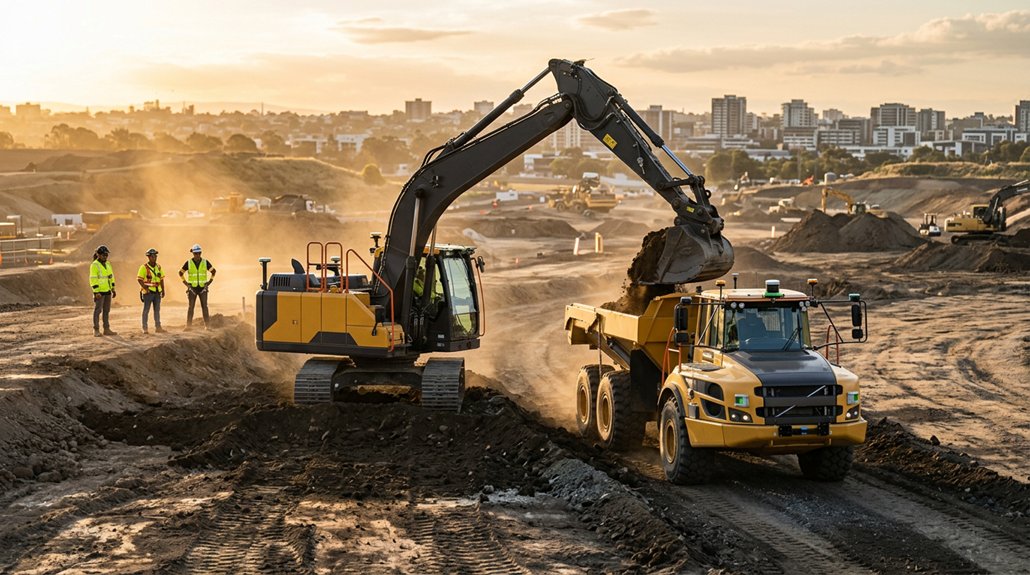
Smart plant machinery improves your construction site efficiency by showing where equipment is working, waiting, or due for service. Telematics and sensors help you cut idle time, spot bottlenecks, and schedule maintenance before faults cause downtime. GPS guidance aligns machines with digital plans, so you can grade and excavate accurately with fewer manual checks. Fuel and operating data also help you reduce waste and assign crews effectively. The sections below explain how these gains work across your site.
How Smart Plant Machinery Reduces Idle Time

Smart plant machinery reduces idle time by using telematics, GPS, and equipment sensors to show when machines are running, waiting, or due for service.
With Remote monitoring, you can check utilization across the site and spot equipment that’s parked while crews need it elsewhere. Compare engine hours, location, and operator activity to identify bottlenecks, then adjust dispatch plans, shift assignments, or machine allocation.
Predictive analytics can flag patterns such as excessive warm-up time, recurring delays, or service needs before they cause unplanned downtime. Set alerts for prolonged idling and low utilization, and review reports with operators and supervisors during daily planning.
You’ll reduce fuel burn and wear while keeping the right machines available for scheduled tasks. Confirm sensor data against site conditions, since poor connectivity or inaccurate inputs can distort decisions and waste resources.
How GPS Guidance Improves Accuracy and Speed
GPS guidance helps operators place machines and grade surfaces accurately by displaying real-time position against digital site plans. With GNSS receivers, onboard displays, and machine-control systems, you can follow design elevations and alignments without relying on repeated stakes or manual measurements.
Precision calibration ties the antenna position, blade or bucket geometry, and coordinate system to the project model; check these settings after moving equipment or changing attachments.
During excavation and grading, real-time monitoring shows cut-and-fill progress, helping you correct deviations while the machine is working. You’ll reduce rework, material waste, and survey delays while maintaining consistent slopes and finished elevations across large areas.
Clear operator alerts and shared design data also help crews coordinate passes, meet tolerances, and complete measured work faster, even when visibility or site access limits conventional layout.
How Smart Plant Machinery Prevents Breakdowns
Beyond improving grading accuracy, connected plant machinery can flag developing faults before they stop work. Sensors track engine temperature, hydraulic pressure, vibration and fluid condition, then send readings to onboard systems or your fleet platform.
When values drift beyond safe limits, you’ll receive an alert while the machine remains accessible for inspection.
Predictive maintenance turns those alerts into practical service decisions. You can schedule checks around operating hours, confirm parts availability and address wear before it causes an unplanned shutdown.
Machinery diagnostics also help technicians pinpoint likely causes, so they can inspect the right components instead of relying on guesswork.
Review fault codes and sensor trends regularly, and verify findings with physical checks. Keep maintenance records current, train operators to report warning signs, and follow manufacturer service intervals.
This approach protects equipment availability and keeps site plans more dependable.
How Smart Machines Cut Fuel and Labor Costs
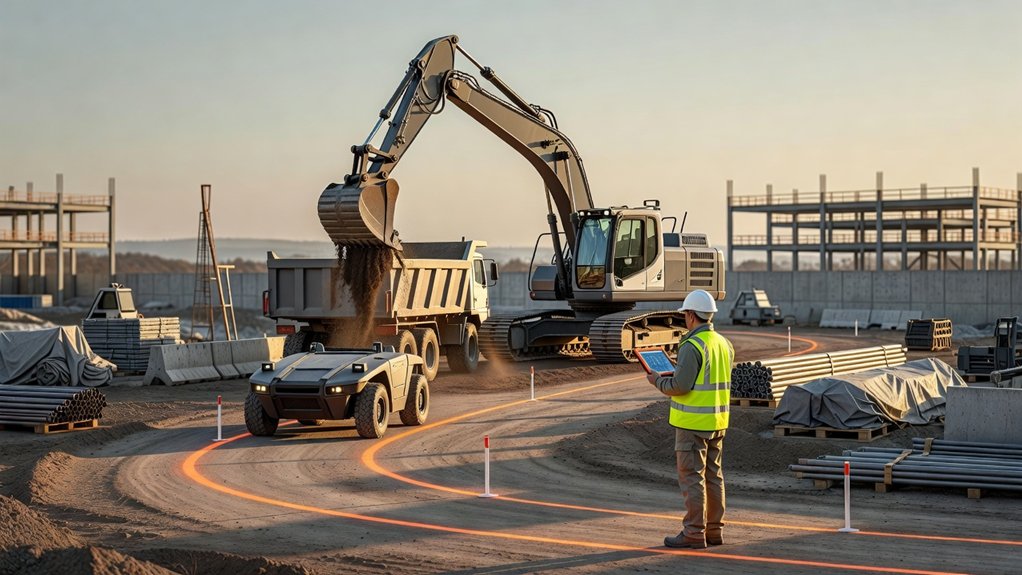
How do connected machines reduce operating costs? They give you precise control over fuel use and staffing.
Telematics tracks engine load, idle time, and fuel burn, so you can adjust operating practices and match machine size to each task. Automated idle shutdown and optimized power settings cut consumption without slowing production.
With automation integration, you can coordinate equipment cycles and reduce manual checks, letting operators focus on productive work. Remote monitoring also helps supervisors assign machines and crews based on live site conditions, limiting unnecessary run time and labor hours.
Predictive maintenance supports these savings by flagging performance changes before they drive fuel use higher or require extra technician time. Review machine data regularly, then act on clear trends: correct inefficient settings, schedule service, and verify results against fuel and labor records.
This turns connected equipment into measurable cost control.
How Smart Machinery Improves Safety and Reduces Waste
When connected machines share real-time location, load, and proximity data, you can spot hazards sooner and prevent equipment from entering restricted zones. Telematics can also flag unsafe speeds, excessive vibration, or overdue maintenance, helping your team intervene before incidents occur.
Use operator alerts and geofencing to manage traffic around excavators, loaders, and haul routes, while keeping workers informed of changing conditions.
To reduce waste, combine machine data with site plans and production targets. Data analytics can reveal idle time, unnecessary trips, and inaccurate digging that drives rework.
You can adjust dispatch, attachment selection, and material handling before small inefficiencies consume fuel or create excess spoil. Track fuel use, emissions, and material recovery to measure Environmental impact and verify improvements.
With routine reviews, you’ll turn connected equipment into safer, more controlled operations.
Leave a Reply